
Eurovision 2026 is shaping up to be one of the most competitive editions in years. With 35 countries heading to Vienna this May, the field is stacked with genuine contenders, surprising dark horses, and a few entries that will be fighting just to survive the semi-finals. We have listened to every song, studied the staging plans, crunched the betting odds at Betfred and other major bookmakers, and ranked every single entry from top to bottom.

18+ | New customers only | T&Cs apply | Please gamble responsibly
Here is our definitive ranking of all 35 Eurovision 2026 songs, complete with current odds and expert analysis.
Tier 1 — The Contenders (1-5)
These are the entries that could realistically win Eurovision 2026. Each one has a compelling combination of song quality, artist caliber, and staging potential that puts them in genuine contention for the trophy in Vienna.

1. Finland — Linda Lampenius & Pete Parkkonen — "Liekinheitin" (2.50)
Finland is the favourite for a reason. "Liekinheitin" — meaning "Flamethrower" — is a genre-defying collision of classical violin, rock energy, and dance-floor production that sounds like nothing else in this year's contest. Linda Lampenius is one of Finland's best-selling classical artists, a virtuoso violinist who has been performing on international stages since her teenage years. Paired with pop vocalist Pete Parkkonen, the chemistry between them creates something genuinely electrifying.
The song dominated UMK 2026, scoring nearly triple the points of the runner-up, and it has only gained momentum since. The combination of Lampenius shredding violin runs over pulsating beats while Parkkonen delivers a commanding vocal is the kind of spectacle that Eurovision was built for. Juries will reward the musicianship and originality; televote audiences will be captivated by the sheer energy. At 2.50, Finland is short for a reason — this is the complete package, and staging director Sergio Jaen is expected to deliver visuals that match the sonic ambition. If the live performance in Vienna captures even half the electricity of the UMK final, the rest of the field is competing for second place.
2. France — Monroe — "Regarde!" (6.00)
France has found something special in Monroe, a 17-year-old Franco-American soprano who won the Prodiges talent show in 2024 by performing Mozart's "Queen of the Night." Her Eurovision entry "Regarde!" is a breathtaking piece that fuses operatic power with theatrical pop sensibility, demanding dramatic vocal shifts from low registers to soaring soprano passages. This is not a radio-friendly pop song — it is a composition designed for the stage, built around contrasts and raw emotional tension.
The jury appeal here is enormous. Professional musicians will hear a level of vocal technique that almost nobody else in the competition can match, wrapped in a song that feels like it belongs in a West End production. The challenge for France is the televote. "Regarde!" is not the kind of instant earworm that casual viewers reach for their phones to support. If the staging delivers strong theatricality — and reports suggest it will — Monroe could bridge that gap. At 6.00, she represents the most credible threat to Finland and is the co-favourite alongside Australia in the jury winner market at Betfred. This is a jury dream that could go all the way if the staging lands.
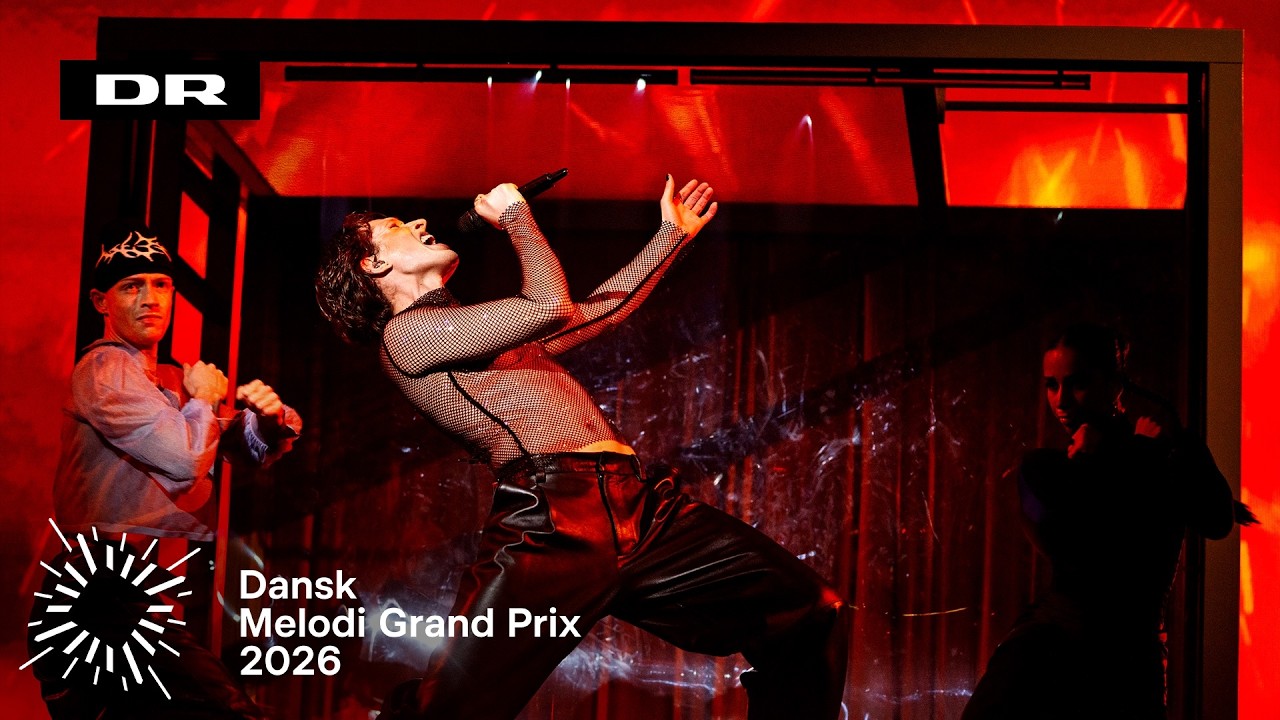
3. Denmark — Soren Torpegaard Lund — "For vi gar hjem" (6.50)
Denmark is making one of the boldest gambles of Eurovision 2026 by sending a song performed entirely in Danish. In a contest where English-language entries dominate the airwaves, "For vi gar hjem" ("Before We Go Home") is a calculated risk that could pay off spectacularly. Soren Torpegaard Lund is a classically trained performer — a graduate of the Danish School of Performing Arts who played Tony in a Copenhagen Opera production of West Side Story — and his voice carries a theatrical warmth that transforms the song into something intimate and cinematic.
The track itself is one continuous emotional movement with no breaks, building a scene rather than following a traditional verse-chorus structure. It describes a relationship caught between desire and regret, with the night serving as a space where consequences can be postponed just a little longer. Soren won the Dansk Melodi Grand Prix unanimously, topping both the jury vote and the public vote, which is a powerful signal. Non-English entries have a proud Eurovision history — from "Amar pelos dois" to "Zitti e buoni" — and when the song is this good, the language becomes an asset rather than a barrier. At 6.50, Denmark is priced correctly, but a stunning live vocal in Vienna could easily see this climb into second-favourite territory.

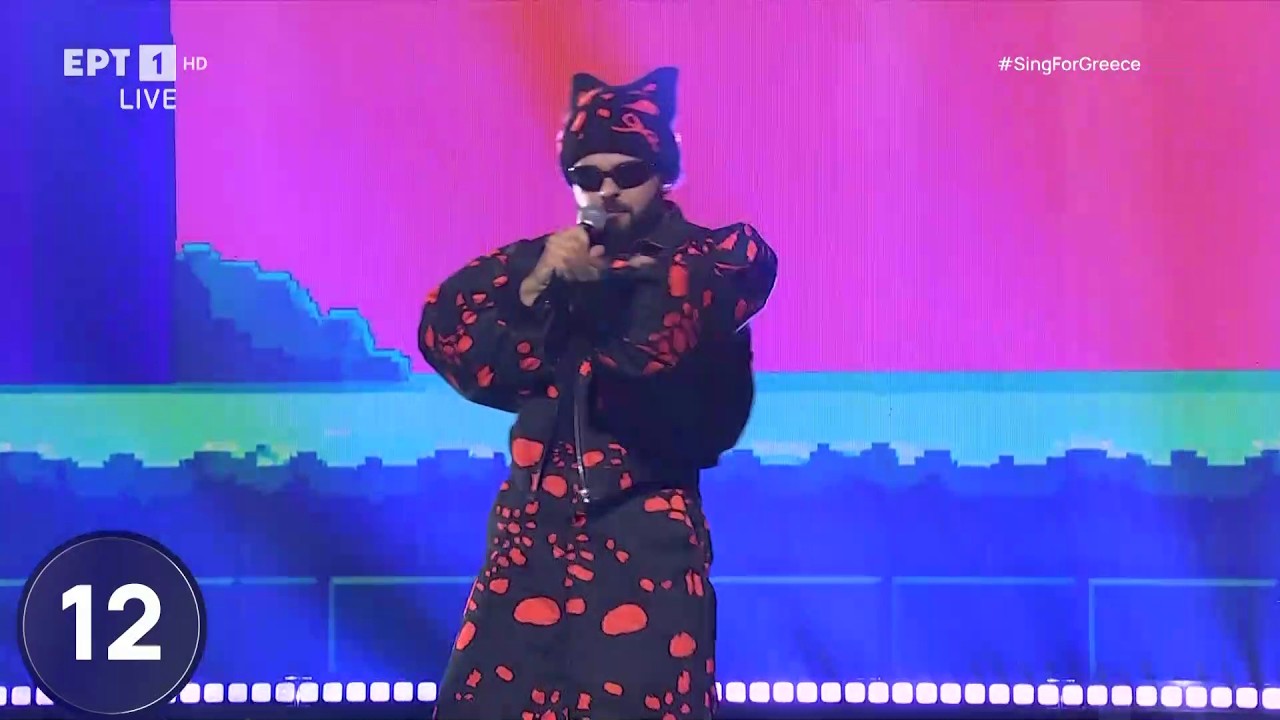
4. Greece — Akylas — "Ferto" (9.00)
Greece has found a genuine star in Akylas, a self-made musician from Serres who went viral on TikTok through his covers before breaking through with the hit single "Atelie" in 2024. "Ferto" is a high-energy track that blends Greek instrumentation with hard techno elements, addressing themes of greed, overconsumption, and the constant pursuit of more — all wrapped in a deeply personal narrative that gives the song real emotional weight beneath its dancefloor exterior.
The televote appeal here is undeniable. The song racked up over 300,000 YouTube views within 48 hours of its release and has been dominating social media discussions. Akylas has the charisma and audience connection that translates directly into phone votes. The chorus is memorable, the performance energy is infectious, and Greece's diaspora across Europe provides a solid voting base. The jury score might hold this back from an outright win — the production is not as refined as Finland or France — but a top-five televote result is well within reach. At 9.00, there is genuine value if you believe the televote will be king in Vienna.
5. Australia — Delta Goodrem — "Eclipse" (10.00)
Delta Goodrem is the biggest name in this year's contest, full stop. With over nine million records sold, multiple platinum albums, and more than two decades as Australia's defining female pop artist, she brings a level of star power that nobody else in the field can match. "Eclipse" is a powerful mid-tempo ballad that builds from intimate piano-driven verses to an anthemic chorus, showcasing a vocal range and emotional depth that only an artist of Goodrem's experience can deliver.
The jury case for Australia is rock-solid — Goodrem is a classically trained pianist, a songwriter who writes her own material, and a performer who has been commanding stages since she was a teenager. Her personal story of overcoming Hodgkin's lymphoma adds authentic emotional gravity that juries reward. The comparison to Dami Im in 2016, who won the jury vote outright, is directly relevant. The televote remains Australia's persistent challenge due to geographical isolation and no diaspora voting bloc. But at 10.00 outright and approximately 3.50 in the jury winner market, Goodrem is arguably the smartest bet in the entire competition when you pick the right market.
Tier 2 — The Dark Horses (6-12)
These entries are not expected to win outright, but each has qualities that could propel them into the top ten or higher if everything clicks on the night. A strong semi-final performance from any of these could reshape the betting market heading into the grand final.
6. Sweden — Felicia — "My System" (15.00)
Sweden is Eurovision royalty, and they never send an entry that is not meticulously crafted and flawlessly staged. Felicia brings youthful energy and a polished pop production with "My System," and early forecast models have her leading the jury vote. Sweden's track record of consistent top-ten finishes means you can never count them out. The Melodifestivalen machine ensures that every element — from vocal performance to choreography to camera angles — will be optimized. At 15.00, Sweden offers solid each-way value, particularly if the jury leans into their typically Swedish appreciation for pop perfection.
7. Israel — Noam Bettan — "Michelle" (16.00)
Israel's entries always generate conversation, and Noam Bettan's "Michelle" is no exception. The song was selected from approximately 200 submissions and has been described as a potential televote monster. Betting markets currently mark Israel as the favourite to win the televote outright, which is a remarkable position given the political context surrounding their participation. Whatever your views on the broader situation, the song stands on its own as a strong, emotionally resonant pop track that could connect powerfully with European audiences. At 16.00, the value depends entirely on whether the televote performance can overcome what is likely to be a more modest jury result.
8. Italy — Sal Da Vinci — "Per sempre si" (24.00)
Italy brings veteran star power with Sal Da Vinci, one of the country's most beloved performers, delivering "Per sempre si" ("Forever Yes") with the kind of warmth and charisma that only decades of live performance can produce. This is classic Italian Eurovision — romantic, melodic, and performed with absolute conviction. The Big Five automatic qualification gives Italy the grand final stage without the semi-final gauntlet, and Sal Da Vinci's name recognition in Italy ensures a strong televote from one of Europe's largest voting populations. The juries will appreciate the craftsmanship even if the song does not push boundaries. A top-ten finish is the realistic ceiling, but at 24.00, a small-stakes punt has real upside.
9. Ukraine — LELEKA — "Ridnym" (25.00)
Ukraine carries an emotional weight into every Eurovision they enter, and LELEKA's "Ridnym" channels that sentiment into a performance that feels both deeply personal and universally resonant. Ukraine has consistently overperformed their betting odds in recent years, fuelled by genuine public sympathy and a diaspora that votes passionately. The song itself is haunting and atmospheric, building slowly before delivering an emotional crescendo that could be devastating in a live setting. At 25.00, Ukraine is always worth a look in the each-way market.
10. Cyprus — Antigoni — "Jalla" (35.00)
Cyprus has been on a strong run at Eurovision in recent years, and Antigoni's "Jalla" continues that momentum with an infectious, upbeat track that feels designed for the televote. The song has an immediate Mediterranean energy that should connect with audiences across Southern and Eastern Europe, and the title itself is a crowd-chanting hook that could ignite the arena. The jury score will likely be modest, but if the staging delivers the party atmosphere the song demands, a top-fifteen finish from the televote alone could push Cyprus into a respectable final position.
11. Norway — Jonas Lovv — "Ya ya ya" (35.00)
Norway's Jonas Lovv brings youthful swagger and a song built around one of the simplest, most effective hooks of the entire contest. "Ya ya ya" is not going to win any awards for lyrical depth, but Eurovision has a long history of rewarding songs that make people smile, clap, and reach for their phones. The Scandinavian voting bloc provides a reliable base, and if the staging leans into fun rather than trying to be something the song is not, Norway could comfortably qualify and sneak into the top fifteen.
12. Czechia — Daniel Zizka — "Crossroads" (60.00)
The biggest mover of the week. Czechia's Daniel Zizka has seen a remarkable surge in the betting odds, climbing ten places in just twelve hours after "Crossroads" connected with fans in a way that few predicted. At just 23, Zizka possesses a voice that has drawn comparisons to Duncan Lawrence's winning 2019 performance — a powerful ballad vocalist who can deliver raw emotion without oversinging. If the live performance captures the intimacy and power of the studio recording, this could be Czechia's breakthrough moment at Eurovision. At 60.00, this is the dark horse bet of the entire competition.
Tier 3 — Could Qualify, Could Surprise (13-22)
These entries have enough quality to make the grand final and could realistically finish anywhere from 10th to 20th. None are likely winners, but each has at least one element — a strong vocal, a clever staging concept, a memorable hook — that keeps them in the conversation.
13. Austria — Cosmo — "Tanzschein" (80.00)
The host country benefits from automatic grand final qualification and the energy of a home crowd in Vienna. Cosmo's "Tanzschein" is a feel-good dance track that should play well in the arena, even if it lacks the knockout punch to trouble the top five. Austria's recent Eurovision record is mixed, but the host advantage is real — expect strong production values and a crowd that will make it sound bigger than it is. A respectable mid-table finish would be a success.
14. Estonia — Vanilla Ninja — "Too Epic To Be True" (80.00)
Vanilla Ninja's return to Eurovision is a nostalgia play that carries genuine appeal. The veteran girl group brings name recognition and a song title that doubles as a mission statement. "Too Epic To Be True" has an anthemic quality that could translate well in the arena, and Estonia has a decent track record of qualifying from the semi-finals. The question is whether nostalgia alone can carry them deep into the final.
15. Switzerland — Veronica Fusaro — "Alice" (80.00)
Switzerland enters with the intriguing "Alice" performed by Veronica Fusaro, a singer-songwriter with a distinctive artistic identity. The song takes a more alternative approach compared to Switzerland's recent entries, which could differentiate it in a crowded field but may also limit its mass appeal. As a former host and recent winner, Switzerland carries weight in the contest, and the juries tend to respect their entries. A solid qualifier that could push into the lower reaches of the top fifteen.
16. Croatia — Lelek — "Andromeda" (90.00)
Croatia's Lelek delivers "Andromeda" with a spacey, atmospheric production that aims for the same ethereal territory that has served several Balkan entries well in recent years. The song has moments of genuine beauty, and Croatia benefits from regional voting support that could bolster the televote. Qualification is probable; a top-ten finish would require everything to click perfectly.
17. Serbia — LAVINA — "Kraj Mene" (90.00)
Serbia's LAVINA performs "Kraj Mene" ("Next to Me"), continuing the country's tradition of sending emotionally charged entries that resonate with the Balkan voting bloc. The song is a mid-tempo piece with a strong melodic core, and Serbia typically performs better than the odds suggest thanks to reliable regional support. A comfortable qualifier that could edge into the top fifteen with a polished live performance.
18. Romania — Alexandra Capitanescu — "Choke Me" (100.00)
Romania returns after a two-year absence with a provocatively titled entry that has generated buzz for all the right reasons. Alexandra Capitanescu's "Choke Me" is edgier than the typical Romanian Eurovision fare, with a dark pop sensibility that could appeal to younger viewers. The title alone ensures people will talk about it, and in a contest where standing out matters as much as song quality, Romania has a clear identity.
19. Albania — Alis — "Nan" (100.00)
Albania's Alis brings "Nan" to Vienna, a track rooted in Albanian musical tradition that carries an authenticity the juries tend to respect. Albania has been a consistent qualifier in recent years, and their entries often carry an emotional intensity that translates powerfully in the arena. The Balkan and Mediterranean voting blocs provide a reliable base, making qualification highly likely even if a top-ten finish is a stretch.
20. Poland — ALICJA — "Pray" (100.00)
Poland's ALICJA delivers "Pray" with conviction, and Poland's massive diaspora across Europe is always worth factoring into televote calculations. The song is a straightforward pop ballad that does what it needs to do without reinventing the wheel. Poland has struggled to break into the top ten in recent years, but a strong live vocal could push this into mid-table territory.
21. Bulgaria — Dara — "Bangaranga" (100.00)
Bulgaria returns after a three-year absence with Dara's "Bangaranga," an energetic track that injects some much-needed fun into the mid-table. The song has a playful, rhythmic quality that should work well in a live setting, and Bulgaria's return to the contest after their hiatus brings a freshness that could work in their favour. Qualification is possible but not guaranteed from what looks like a competitive semi-final.

22. Lithuania — Lion Ceccah — "Solo Quiero Mas" (100.00)
Lithuania's Lion Ceccah takes the unusual approach of singing in Spanish with "Solo Quiero Mas" ("I Just Want More"), which could either be a stroke of genius or a fatal identity crisis. The song itself is a catchy, Latin-infused pop track that would not sound out of place on a summer playlist, but whether Lithuanian and European audiences will connect with a Baltic artist singing in Spanish remains the central question. It is certainly memorable, which counts for something.
Tier 4 — The Long Shots (23-35)
These entries face an uphill battle. Some will fall in the semi-finals, and those that make the grand final are likely looking at a bottom-half finish. That does not mean they are without merit — every Eurovision needs its underdogs, and occasionally one of them produces a moment that nobody sees coming.
23. Malta — Aidan — "Bella" (150.00)
Malta's Aidan brings the classic Mediterranean ballad approach with "Bella," and while the song is pleasant enough, it struggles to distinguish itself in a field this competitive. Malta has historically punched above its weight at Eurovision thanks to passionate national support, but qualifying from the semi-final will be the primary challenge here.
24. Armenia — Simon — "Paloma Rumba" (150.00)
Armenia's Simon delivers "Paloma Rumba" with an exotic flair that nods to the country's position at the crossroads of Europe and Asia. The song has rhythmic appeal and an interesting cultural fusion, but it may lack the immediate hook needed to stand out in a packed semi-final. Armenia's diaspora provides a reliable televote base, which could be the difference between qualifying and going home early.
25. Moldova — Satoshi — "Viva, Moldova!" (150.00)
Moldova leans into national pride with "Viva, Moldova!" performed by Satoshi, a track that is unabashedly celebratory and built for crowd participation. Moldova has a proud tradition of sending fun, slightly chaotic entries that overperform expectations through sheer enthusiasm. If the staging is colourful and the energy is infectious, this could qualify through televote charm alone.
26. Luxembourg — Eva Marija — "Mother Nature" (150.00)
Luxembourg's return to Eurovision continues with Eva Marija's "Mother Nature," an earnest, eco-conscious ballad that wears its heart on its sleeve. The message is timely and the vocal is competent, but the song lacks the dramatic arc or melodic distinction to compete with the stronger ballads in the field. A semi-final exit is the most likely outcome, though the novelty of Luxembourg's relatively recent return could attract some curiosity votes.
27. Belgium — Essyla — "Dancing on the Ice" (150.00)
Belgium's Essyla brings an atmospheric, wintry pop track with "Dancing on the Ice" that has a certain elegance to it. The production is clean and the vocal is capable, but Belgium has struggled to make an impact at Eurovision in recent years, and this entry, while pleasant, does not feel like the one to reverse that trend. The song is well-crafted but may be too understated to cut through the noise of a 35-song competition.
28. Georgia — Bzikebi — "On Replay" (150.00)
Georgia's Bzikebi delivers "On Replay" with the kind of offbeat energy that Georgian entries have become known for. The song is quirky and memorable in its own way, but translating that into votes in a semi-final packed with stronger entries will be difficult. Georgia tends to divide opinion at Eurovision — you either love their eccentricity or it passes you by entirely.
29. Azerbaijan — Jiva — "Just Go" (200.00)
Azerbaijan's Jiva presents "Just Go," a polished pop entry that feels like it was assembled using a Eurovision formula checklist. The production is competent, the vocal is solid, and the song moves along at a pleasant tempo. But competent and pleasant rarely win Eurovision, and Azerbaijan has struggled to recapture the magic of their early contest years. A semi-final exit is probable.
30. Latvia — Atvara — "Ena" (200.00)
Latvia's Atvara brings "Ena" ("Shadow"), an atmospheric Latvian-language entry that has an artistic quality the juries might appreciate but the televote will likely overlook. Latvia's recent Eurovision record has been inconsistent, and while the song has moments of genuine beauty, it needs a standout live performance to have any chance of qualifying.
31. Montenegro — Tamara Zivkovic — "Nova Zora" (250.00)
Montenegro's Tamara Zivkovic delivers "Nova Zora" ("New Dawn") with a vocal that is stronger than Montenegro's odds suggest. The song is a heartfelt ballad with Balkan folk influences that carries genuine emotion, but Montenegro has never finished higher than 13th at Eurovision, and the semi-final draw will likely prove too competitive. A brave effort that deserves more attention than it will receive.
32. Portugal — Bandidos do Cante — "Rosa" (250.00)
Portugal's Bandidos do Cante bring "Rosa" with the kind of traditional Portuguese musical flavour that the country has increasingly leaned into since Salvador Sobral's 2017 victory. The song is authentic and culturally rich, but it occupies a niche that may not translate to mass Eurovision appeal. Portugal's challenge has always been converting artistic credibility into votes, and "Rosa" faces the same hurdle.
33. San Marino — Senhit — "Superstar" (250.00)
Senhit returns for San Marino with "Superstar," bringing experience and name recognition from her previous Eurovision appearances. She knows the contest, she knows the stage, and she delivers a performance with professional polish. The problem is that San Marino's tiny voting base means every televote must be earned from scratch, and "Superstar" would need to be genuinely exceptional to overcome that structural disadvantage. It is fun and Senhit is a trooper, but a semi-final exit is the most likely outcome.
34. Germany — Sarah Engels — "Fire" (250.00)
Germany's Sarah Engels brings "Fire" as one of the Big Five automatic qualifiers, which is fortunate because the song would face a tough road through the semi-finals. Engels is a well-known personality in Germany from her DSDS (German Idol) career, but that domestic name recognition rarely translates to Eurovision success. "Fire" is a mid-tempo pop track that lacks the ignition its title promises. Germany's recent Eurovision record — including a string of bottom-five finishes — suggests that the curse continues unless the live performance reveals hidden depths.
35. United Kingdom — Look Mum No Computer — "Eins, Zwei, Drei" (250.00)
The UK rounds out our ranking with perhaps the most divisive entry in the entire competition. Look Mum No Computer is a YouTuber and electronic music inventor known for building synthesizers out of Furbies and other unconventional objects, and "Eins, Zwei, Drei" is exactly the kind of chaotic, genre-defying experiment you would expect. Sung partly in German — an unusual choice for the UK — the song is more performance art than pop music, and it will either be remembered as a brilliant piece of Eurovision absurdism or forgotten as an in-joke that nobody outside the internet understood. The UK's post-Sam Ryder trajectory has been rocky, and this entry feels like a swing for the fences that is more likely to miss than connect. At these odds, there is no value unless you genuinely believe chaos theory applies to Eurovision voting.
Betting Summary: Where to Find Value
If you are looking at the Eurovision 2026 betting markets through Betfred or other licensed bookmakers, here are the plays that stand out from our ranking:
Best outright bet: Finland at 2.50. The favourite rarely offers value, but Liekinheitin is the most complete package in the competition and the odds reflect a genuine probability rather than hype.
Best value bet: Czechia at 60.00. Daniel Zizka's surge in the odds is backed by genuine quality, and a Duncan Lawrence-style upset is not out of the question.
Best jury market bet: Australia at approximately 3.50 in the jury winner market. Delta Goodrem is built for jury dominance, and the 2016 Dami Im precedent makes this a credible outcome.
Best each-way bet: Denmark at 6.50. "For vi gar hjem" has the emotional depth and vocal quality to finish top three even if it does not win outright.
Best televote punt: Greece at 9.00. Akylas has the viral momentum and diaspora support to dominate the public vote.
Eurovision 2026 takes place in Vienna on May 12, 14, and 16. The semi-finals will thin the field, and by grand final night, the market will look very different. Get your bets in early while the value is still there.