Eurovision 2026 is shaping up to be the most unpredictable, controversial, and downright bizarre edition in the contest's seven-decade history. With boycotts, political feuds, ice cream brands, and a man who built a synthesizer out of Furbies, this year's contest in Vienna has something for absolutely everyone.
18+ | New customers only | T&Cs apply | Please gamble responsibly
We dug through every press release, biography, interview, and historical archive to compile the definitive collection of facts about Eurovision 2026. Some will surprise you. Some will make you laugh. And some might just help you pick the winner.
Here are 50 incredible facts about Eurovision 2026 in Vienna that you absolutely need to know.
The Contestants
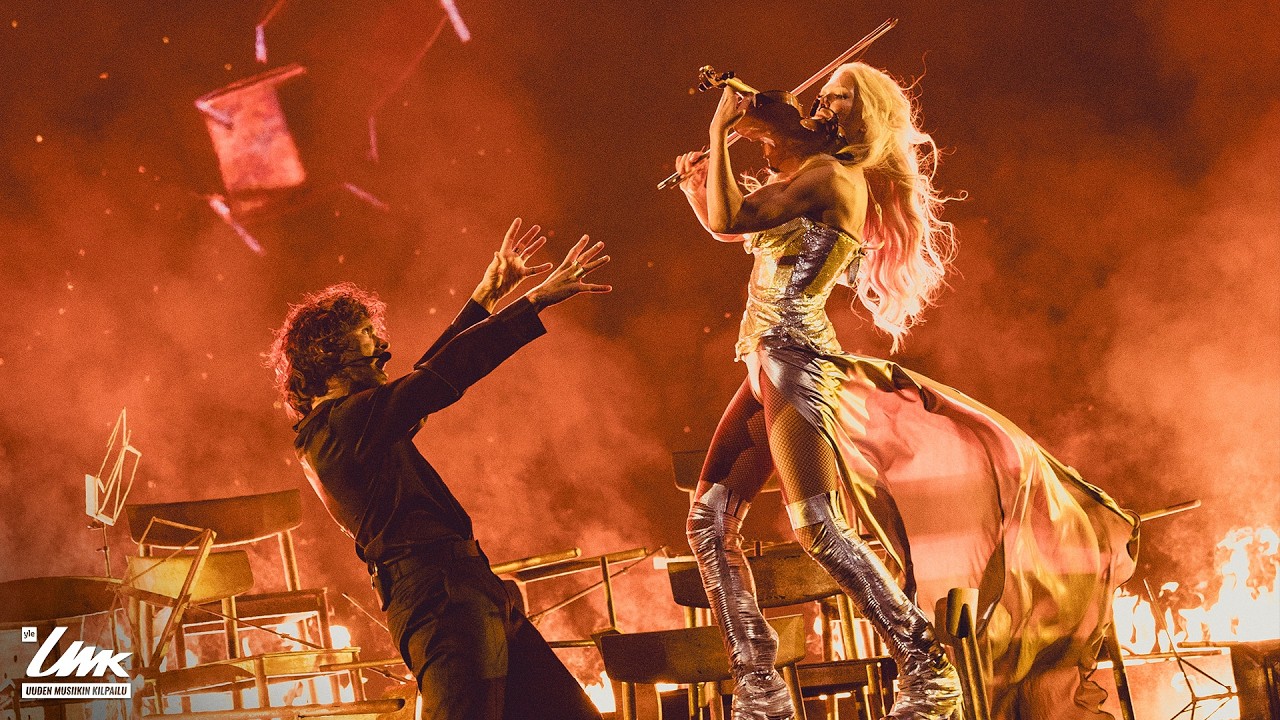
1. Finland's Linda Lampenius is 56 years old, making her the oldest female performer at Eurovision 2026. Born in 1970, Lampenius started playing violin at just five years old and joined the Helsinki Junior Strings at eight. By her teenage years, she was already touring globally as a classical prodigy.
2. Linda Lampenius has had more careers than most people have hobbies. Beyond her violin mastery, she has been a professional rally driver, served on the Helsinki City Council, judged on X Factor Finland, and currently sells her own brand of cider. That is not a typo. The woman sells cider.
3. Pete Parkkonen, who performs alongside Lampenius for Finland, has a fascinating family history. His grandfather was Pierre Rassin, a black French musician from Martinique who met Pete's grandmother in Finland in 1953. That cross-continental love story gave Finland one of its most unique artistic voices.
4. Pete Parkkonen came achingly close to winning Idols Finland in 2008, finishing third. His debut album went straight to number one on the Finnish charts, proving that the country already knew what the rest of Europe is about to discover.
5. The Finnish entry "Liekinheitin" translates to "Flamethrower" in English. It won UMK, Finland's national selection, with a staggering 570 points — nearly triple the score of the second-place entry. To put that margin into perspective, most UMK finals are decided by fewer than 50 points. Finland did not just pick this song. Finland demanded it with a landslide that shattered national selection records.
6. Australia's Delta Goodrem signed her first record deal at just 15 years old. Her debut album "Innocent Eyes" became a phenomenon, achieving 23x Platinum certification in Australia and holding the number one spot for an extraordinary seven and a half months. That is not a chart run. That is a residency.
7. Delta Goodrem has sold over nine million albums worldwide and won 12 ARIA Awards. She has collaborated with some of the greatest voices in music history, including Celine Dion, Andrea Bocelli, and the late Olivia Newton-John.
8. Delta launched her own record label, ATLED Records, in 2022. The name ATLED is DELTA spelled backwards. Subtle? No. Brilliant? Absolutely.

9. The UK is being represented by Look Mum No Computer, the stage name of Sam Battle, aged 31. Sam is not your typical Eurovision artist. He is an inventor, engineer, and musician who builds instruments out of things that were never meant to be instruments.
10. Sam Battle built a working organ out of Furby toys. Yes, those wide-eyed, chattering electronic creatures from the 1990s. The Furby Organ uses dozens of modified Furbies to create haunting, otherworldly sounds. He also built a synthesizer bicycle and a Game Boy oscillator synth, because apparently one impossible instrument was not enough.
11. Sam runs a museum in Ramsgate, Kent, called "This Museum Is Not Obsolete." It houses his collection of repurposed vintage technology, hacked electronics, and homemade musical instruments. Visitors can play most of the exhibits. It is part museum, part playground, part fever dream.
12. His YouTube channel has racked up over 85 million views and 1.4 million followers. Sam Battle might be the most famous person at Eurovision 2026 that your parents have never heard of.
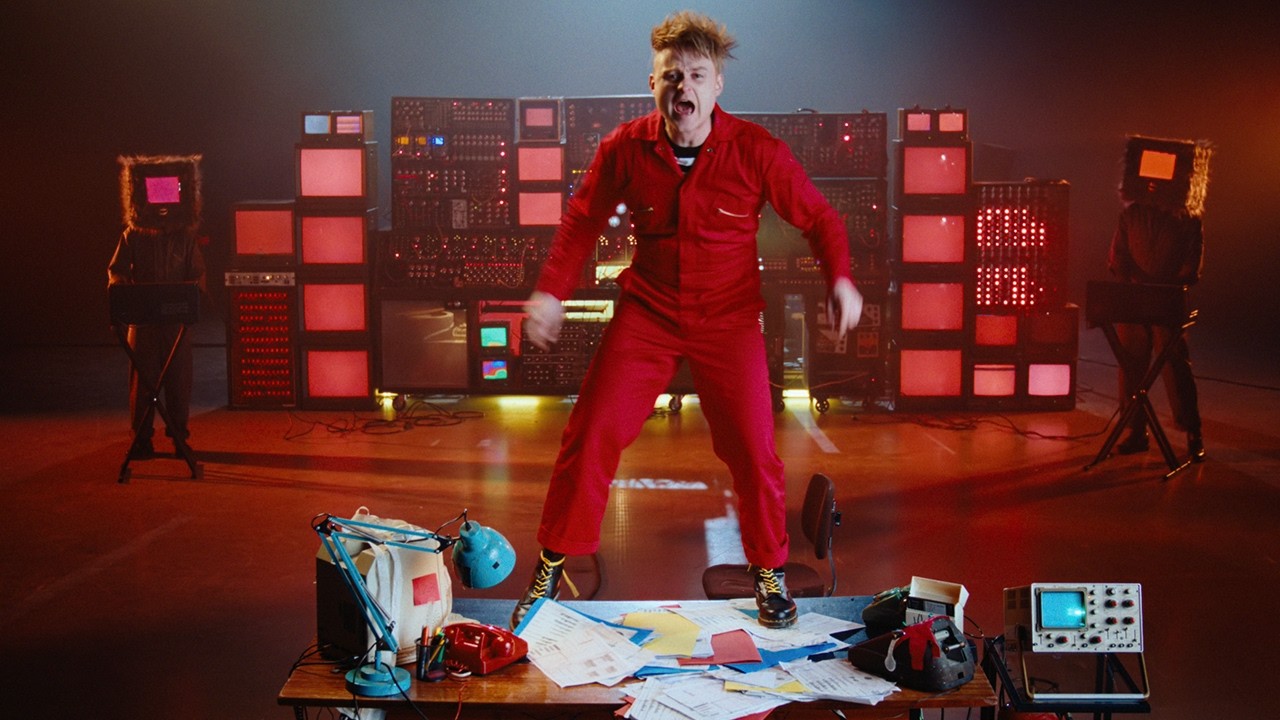
13. The UK entry "Eins, Zwei, Drei" channels the spirit of Lipps Inc.'s 1980 classic "Funkytown." It is an 80s-flavored synth-pop track that is sung partly in German — a deliberate choice designed to win over the Vienna crowd. Singing in the host country's language is a classic Eurovision power move, and Battle has reportedly been practicing his German pronunciation with a vocal coach for months.
14. Estonia's Vanilla Ninja first competed at Eurovision back in 2005 — but not for Estonia. They represented Switzerland with "Cool Vibes" and placed a respectable eighth. It is one of the strangest quirks in Eurovision history: an Estonian band making their contest debut under a Swiss flag.
15. Now, 21 years later, Vanilla Ninja return to Eurovision representing their actual home country. The homecoming has generated enormous excitement in Estonia and among long-time Eurovision fans who remember the original Swiss detour.
16. Vanilla Ninja launched their own brand of ice cream in 2003, and it is still one of the bestselling ice cream brands in Estonia. Available in four flavors, it has outlasted most pop careers and several actual dairy companies. When your ice cream outlives your first Eurovision run, you know you have built something lasting.
17. Boy George is collaborating with San Marino's Senhit on their entry "Superstar." The two met for the first time in Las Vegas in March 2026, where Boy George was performing a residency. Pairing a Culture Club legend — the man behind "Karma Chameleon" and "Do You Really Want to Hurt Me" — with one of Eurovision's most flamboyant returning artists is the kind of inspired chaos only San Marino would attempt.
18. Senhit is no stranger to Eurovision power collaborations. She previously teamed up with Flo Rida for Eurovision 2021, performing "Adrenalina" in Rotterdam. San Marino consistently punches above its weight by recruiting international star power.
19. Romania's entry "Choke Me" contains the phrase "choke me" repeated approximately 30 times throughout the song. This has drawn sharp criticism from violence prevention campaigners and sparked heated debate across European media. Multiple petitions have circulated calling for the lyrics to be amended before the live broadcast. Whether it qualifies as artistic expression or irresponsible messaging depends entirely on who you ask, but it has certainly generated the kind of controversy that guarantees millions of curious viewers will tune in.
The Venue and Eurovision History
20. Eurovision 2026 takes place at the Wiener Stadthalle, Austria's largest indoor arena, with a capacity of 16,000. The venue dominates Vienna's 15th district and has hosted everything from ice hockey to the Rolling Stones since it opened its doors nearly seven decades ago.
21. The Wiener Stadthalle was built between 1954 and 1958 and opened by Federal President Adolf Scharf. At the opening ceremony, the Vienna Philharmonic and Vienna Symphony performed together — the only time in history these two legendary orchestras have shared a stage. Eurovision 2026 has a lot to live up to.
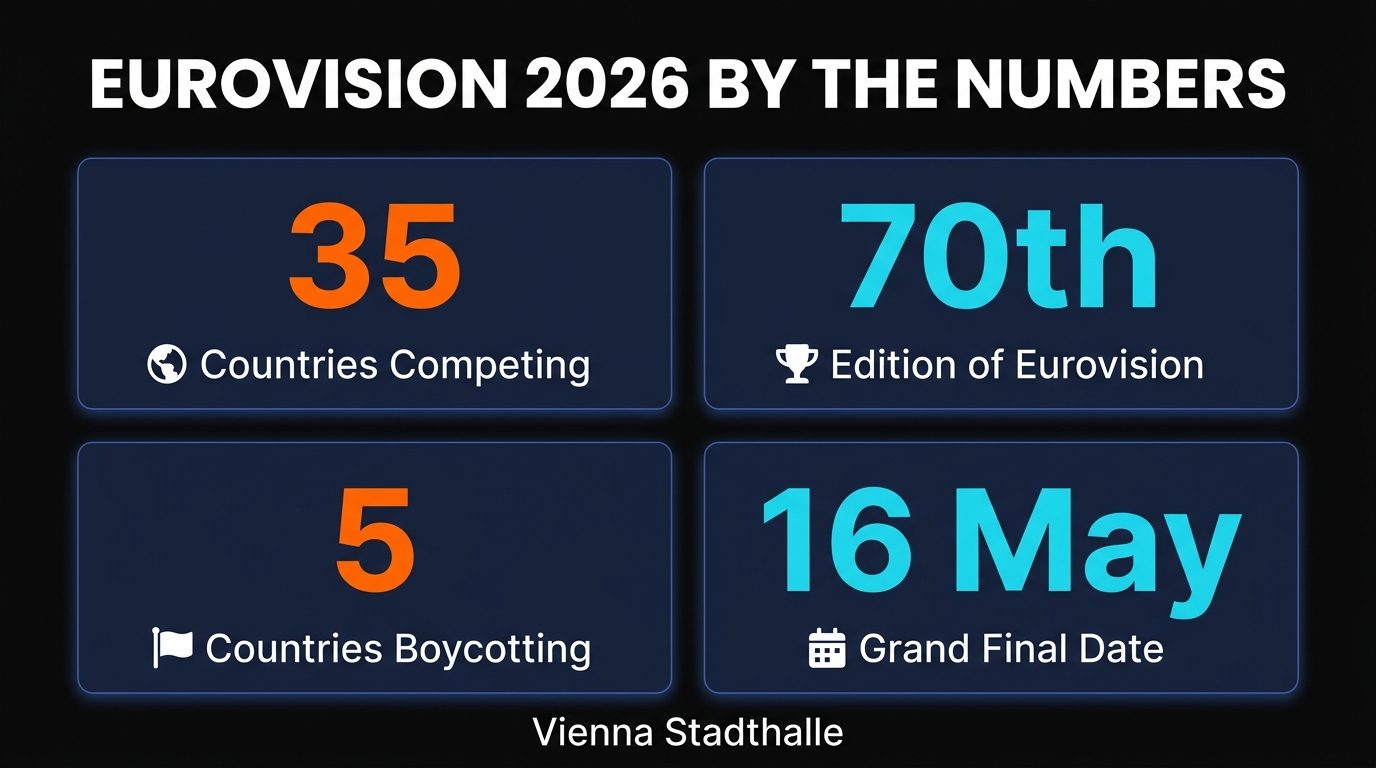
22. This is the third time Austria has hosted the Eurovision Song Contest, following editions in 1967 and 2015. The 2015 contest was held in the same venue after Conchita Wurst's legendary victory in Copenhagen the previous year.
23. Austria holds the record for the longest gap between Eurovision victories: 48 years. Their first win came in 1966 with Udo Jurgens performing "Merci, Cherie," and they did not win again until Conchita Wurst triumphed in 2014 with "Rise Like a Phoenix." That is nearly half a century of waiting.
24. Eurovision 2026 is the 70th edition of the contest. The Eurovision Song Contest is recognized by Guinness World Records as the Longest Running Annual International TV Music Competition. It has been broadcast continuously since 1956, surviving the Cold War, the dissolution of Yugoslavia, a global pandemic, and several truly terrible songs. The 70th anniversary edition was always going to be special — the boycotts and controversies have made it historic for entirely different reasons.
25. Ireland and Sweden are tied for the most Eurovision victories, with seven wins each. Ireland dominated the 1990s with four wins in five years, while Sweden has spread its victories across several decades, most recently in 2023 with Loreen's "Tattoo."
26. The highest score ever recorded in Eurovision history belongs to Portugal's Salvador Sobral. He scored 758 points in 2017 with "Amar Pelos Dois," a delicate jazz ballad that shattered the previous record. The performance was so understated that it made every pyrotechnic-laden spectacle before it look slightly ridiculous.
Eurovision 2026 Specifics
27. Only 35 countries are competing at Eurovision 2026, making it the smallest field since 2003. For context, the contest peaked at 43 participating countries in 2018. The shrinking field is a direct consequence of this year's unprecedented boycott wave.
28. Five countries are boycotting Eurovision 2026: Spain, Ireland, Iceland, the Netherlands, and Slovenia. This is the largest coordinated boycott since 1970, when several countries pulled out in protest over voting procedures. The 2026 boycott is driven by political objections to Israel's continued participation.
29. Spain's withdrawal is historically significant because it is the first time a Big Five member has boycotted the contest. The Big Five — France, Germany, Italy, Spain, and the United Kingdom — have guaranteed spots in the grand final due to their financial contributions to the European Broadcasting Union. With Spain out, broadcasters and fans have taken to calling the arrangement the "Big Four" this year.
30. Ireland has won Eurovision seven times, more than almost any other country, but will not be in Vienna. The absence of a seven-time champion adds a strange, lopsided feeling to the competition. It is like the World Cup without Brazil.
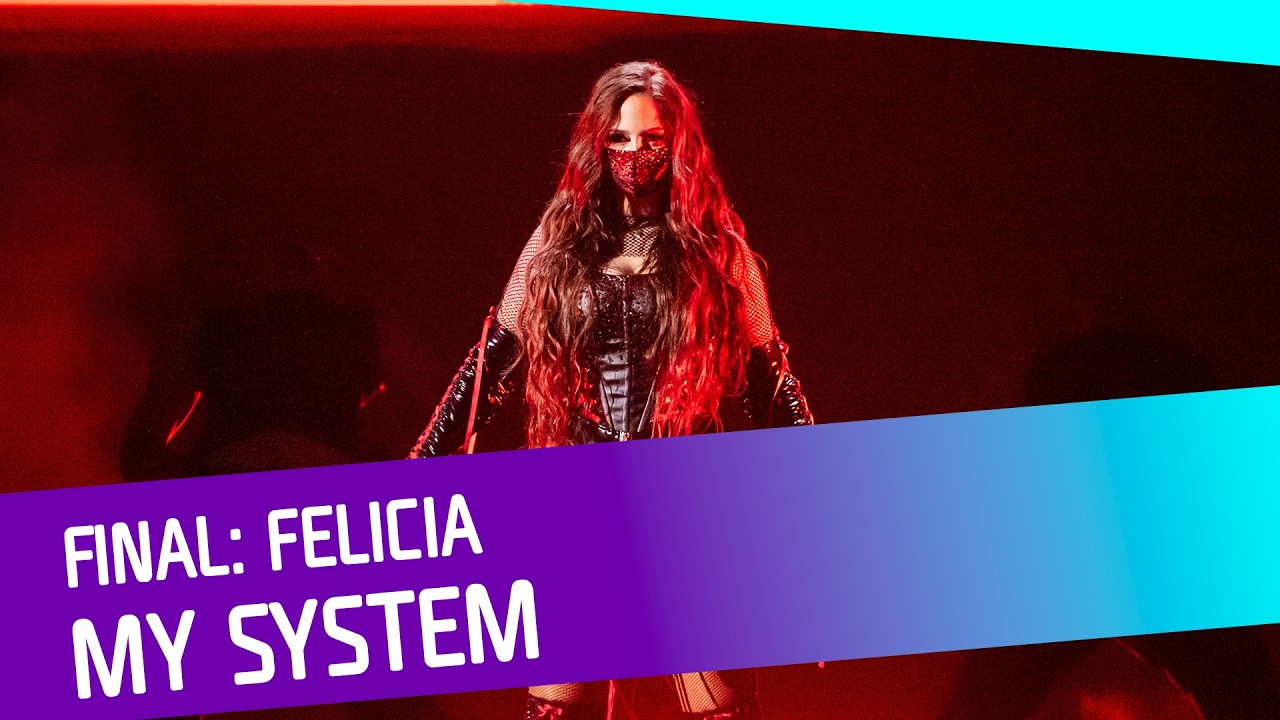
31. Sweden's representative Felicia made headlines by publicly stating that Israel "should not compete" and that she would "make sure they don't win." The comments ignited a firestorm across European media and put the Swedish delegation in an intensely awkward position.
32. The European Broadcasting Union contacted SVT, Sweden's national broadcaster, to remind them about contest neutrality rules. Meanwhile, KAN, Israel's broadcaster, is reportedly considering filing an official complaint. The saga is far from over and could result in penalties before the first semi-final even begins.
33. Victoria Swarovski, heiress to the world-famous crystal empire, is co-hosting Eurovision 2026 alongside Austrian actor Michael Ostrowski. Swarovski is best known internationally for co-hosting "Let's Dance" on RTL, Germany's version of "Strictly Come Dancing." She brings a level of glamour that is perfectly suited to a Viennese setting, and one suspects the crystal chandelier budget for the stage design has increased substantially since her involvement was announced.
34. JJ, Austria's Eurovision 2025 winner, will open the Grand Final with a spectacular performance featuring 40 dancers and acrobats. The interval act is expected to be a celebration of Austrian music and culture, with JJ debuting new material alongside a reimagined version of their winning song.
35. The official Eurovision 2026 mascot is called "Auri." Named after the Latin word for gold, Auri is designed to reflect Vienna's imperial heritage and the golden age of European broadcasting. Whether it ends up beloved or memed into oblivion is anyone's guess.
36. The schedule is locked in: Semi-Final 1 on May 12, Semi-Final 2 on May 14, and the Grand Final on May 16 at 21:00 CEST. Vienna will be the center of the Eurovision universe for an entire week, with press conferences, parties, and fan events running throughout.
37. The planned Eurovision Live Tour was cancelled. The tour had been announced for 10 cities including London, Paris, and Milan, giving fans across the continent a chance to see their favorite acts perform live before the contest. It was scrapped due to logistical complications and the political tensions surrounding this year's edition. Fans who had already booked travel and accommodation were not pleased, and the cancellation has added to the overall sense that Eurovision 2026 has been marked by upheaval from start to finish.
Betting Facts and Trivia
38. Eurovision is one of the most heavily bet-on non-sporting events in the world. Bookmakers across Europe report that Eurovision generates more betting volume than most mid-tier sporting events. In the UK alone, millions of pounds are wagered on the contest every year, with the grand final night rivaling FA Cup matches for betting turnover at shops like Betfred.
39. The betting favorite has won Eurovision approximately 40% of the time over the past two decades. That might sound low, but in a contest with 25+ finalists, a 40% strike rate for the top-priced entry is remarkably consistent. If you simply backed the favorite every year since 2005, you would be comfortably in profit.
40. Finland's "Liekinheitin" opened as the betting favorite at around 3.00 and has since shortened to approximately 2.50. That kind of early-market confidence, backed by sustained money, is a powerful indicator. The last three entries to open as favorites and hold that position through to the grand final all finished in the top two.
41. The biggest upset in Eurovision betting history came in 2016, when Ukraine's Jamala won at odds of around 15.00. The bookmakers had Sweden and Australia battling for first, but Jamala's politically charged "1944" — about the deportation of Crimean Tatars under Stalin — swept the televote and stunned the markets. Anyone who had backed Jamala with a modest 10 pound stake walked away with 150 pounds. It remains a cautionary tale for anyone who treats the betting favorite as a foregone conclusion.
42. In 2023, Sweden's Loreen won at relatively short odds of around 1.80, making it one of the most predictable results in modern Eurovision history. Bookmakers reported lower margins than usual because the public overwhelmingly backed Sweden, compressing the odds. When the market agrees that strongly, the market is usually right.
43. You can bet on far more than just the winner at Eurovision. Leading bookmakers like Betfred offer markets on jury vote winner, televote winner, top 5 and top 10 finishes, semi-final qualifiers, head-to-head matchups between countries, and even novelty props like whether any country will score nul points. The variety of markets means there is an angle for every type of bettor.
44. The jury vote and the televote often produce wildly different results. In 2019, the jury had North Macedonia in first place while the televote put the Netherlands on top. In 2016, Australia dominated the jury but finished fifth in the televote. Smart bettors who understand this split can find enormous value in separated jury and televote winner markets.
45. Eurovision odds shift dramatically during rehearsal week. When official rehearsal clips are released by the EBU, bookmakers see huge surges in betting activity. A single impressive staging rehearsal can cut a country's odds in half overnight. Bettors who follow rehearsal coverage closely gain a significant edge over those who only look at odds on the day of the final.
46. Australia's Delta Goodrem is priced at approximately 3.50 in the jury winner market — the same price as France. That makes her the joint-favorite to win the professional jury vote, even though she sits fifth in the overall outright market at around 10.00. The jury market is where sharp bettors see the real value in Australia's entry. Betfred's Eurovision specials include this market along with dozens of others.
47. No country has ever won Eurovision twice in a row in the modern era with the current voting system. The closest was Sweden, who won in 2023 and came in as heavy favorites in 2024 but did not repeat. This statistical trend works against any theory that Austria can leverage home advantage into a back-to-back victory after JJ's 2025 win.
48. The country performing second-to-last in the grand final running order has a disproportionately high win rate. Recency bias is real — voters tend to remember and favor later performances. Once the running order for the Vienna grand final is confirmed, watch for odds movements on whoever lands that coveted penultimate slot.
49. Eurovision 2026 is expected to generate over 50 million euros in betting turnover across European bookmakers. The combination of a high-profile host city, dramatic boycott storylines, and a star-studded contestant list has pushed pre-contest betting volumes well above 2025 levels. For comparison, the 2025 edition in Basel generated approximately 40 million euros in total turnover. Operators across the continent are preparing staffing and liquidity for one of the busiest Eurovision betting nights in history.
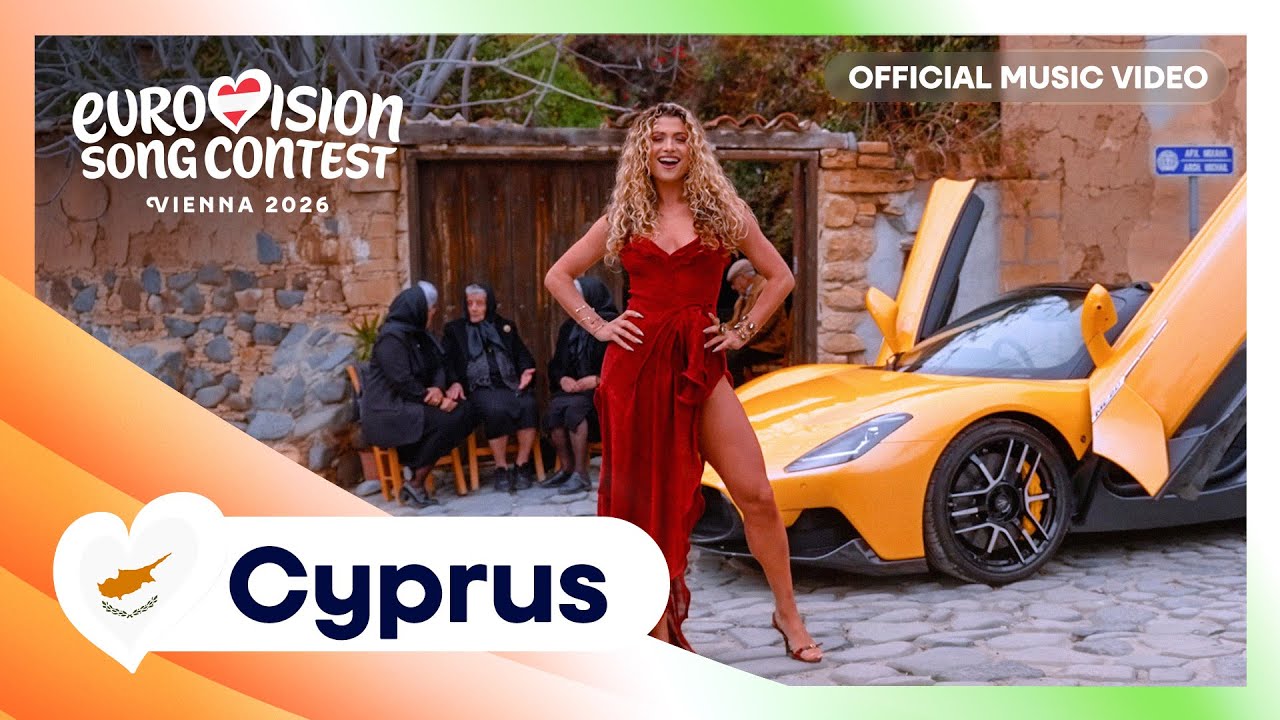
50. The most profitable long-term Eurovision betting strategy, according to historical data, is backing entries with strong jury appeal at double-digit outright odds. These entries frequently overperform their market price because casual bettors flood money toward flashy televote favorites, leaving jury-friendly entries undervalued. In 2026, that profile points toward countries like Australia, France, and Cyprus — all of which carry jury-pleasing credentials at generous odds.
The Bottom Line
Eurovision 2026 in Vienna is going to be unforgettable. Between the boycotts, the Furby organs, the crystal heiress host, the 56-year-old violin prodigy with her own cider brand, and an Estonian ice cream empire, this contest has more storylines than a season of prestige television.
Whether you are watching for the music, the spectacle, the politics, or the betting markets, there has never been a more fascinating edition of the world's longest-running song competition. Vienna is ready. The Wiener Stadthalle is ready. The only question left is: who takes home the trophy on May 16?
If you are planning to back your favorites with real money, make sure you are set up with a bookmaker that offers the full range of Eurovision markets. Betfred's Bet £10 Get £50 welcome offer is the best in the business for Eurovision betting, giving you free bet firepower to cover everything from the outright winner to semi-final qualifiers and jury vote specials.
Now get yourself a bowl of Vanilla Ninja ice cream, fire up the Furby Organ playlist, and start counting down to Vienna.